


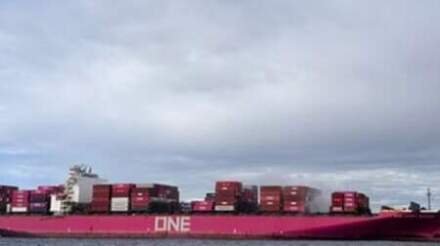
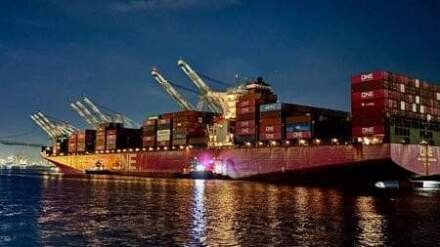
Salvage operations continue actively for two containerships, the ONE Henry Hudson and the Wan Hai 503, both recently damaged by fires. As part of these complex efforts, teams successfully discharged cargo from the affected vessels. This critical step advances the recovery process for both ships.

Ongoing Salvage Operations
Maritime salvage operations involve intricate processes. Specialists work to stabilize vessels, assess damage, and mitigate environmental risks. For the ONE Henry Hudson and Wan Hai 503, these efforts are comprehensive. They address the aftermath of significant onboard fires.
Salvage operations are actively progressing for the fire-damaged containerships ONE Henry Hudson and Wan Hai 503. Teams successfully discharged cargo, a critical step that advances recovery by allowing thorough inspections, enhancing stability, and preparing the vessels for repairs.
Significance of Cargo Discharge
Discharging cargo from fire-damaged ships marks a crucial phase. This action allows surveyors to conduct thorough inspections of the vessel’s internal structures. Removing cargo also enhances stability and helps prepare the ships for potential repairs or further movement. It represents a vital step towards full recovery.
Vessels Impacted
The ONE Henry Hudson, a prominent containership, experienced a fire requiring extensive intervention. Similarly, the Wan Hai 503 also sustained fire damage. Both incidents triggered immediate response protocols. Now, these vessels are undergoing systematic recovery procedures.
Future Steps in Recovery
Teams will continue their meticulous work following the cargo discharge. Further assessments will determine the extent of necessary repairs and the ships’ future operational status. These ongoing salvage efforts underscore the maritime industry’s commitment to safety and efficient incident resolution.


1 Comment