


Shipping activity in the Strait of Hormuz remains severely depressed. Ongoing war risks continue to deter shipowners from operating in proximity to Iran. Even with war risk insurance and naval escorts, traffic levels are reportedly 90 percent below their normal volumes. Automatic Identification System (AIS) data confirms this significant reduction. Current mitigation efforts are proving insufficient to restore confidence and normalize maritime commerce in this critical waterway.
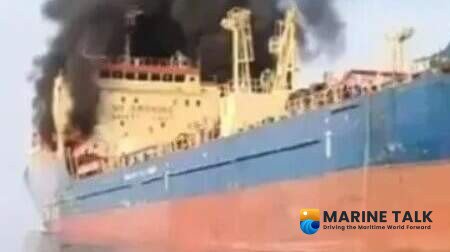
Lingering War Risk Impacts Maritime Routes
The threat of conflict in the Strait of Hormuz continues to impact maritime commerce. Shipowners actively avoid the region due to inherent safety concerns. This persistent deterrence significantly influences global shipping decisions.
The region’s geopolitical tensions create an environment of profound uncertainty. Shipowners prioritize crew safety and asset protection above all else. Consequently, many vessels opt for alternative routes or delay transit, disrupting established patterns.
Ongoing war risks have severely depressed shipping in the Strait of Hormuz, with traffic 90% below normal. Despite war risk insurance and naval escorts, shipowners remain deterred, as current mitigation efforts are insufficient to restore confidence and normalize critical maritime commerce in this vital waterway.
Drastic Reduction in Shipping Activity
Automatic Identification System (AIS) data provides clear evidence of the downturn. AIS-active shipping traffic is currently 90 percent below its usual volume. This metric highlights the dramatic decrease in vessel movements across the strait.
The Strait of Hormuz serves as a critical global chokepoint, particularly for oil and gas shipments. Such a significant reduction in traffic carries broad implications for international trade. It signals a major, ongoing disruption to maritime commerce.
Current Mitigation Efforts Prove Insufficient
The provision of war risk insurance aims to mitigate financial exposure for operators. Naval escorts also offer physical protection to vessels navigating the area. These measures represent concerted attempts to restore confidence within the shipping industry.
Despite these security and financial efforts, normal shipping volumes have not resumed. Shipowners’ reluctance to enter the zone persists. The current provisions are not enough to overcome deep-seated apprehension among maritime stakeholders.
Restoring full shipping activity requires a more profound shift in perceived risk. Until operators feel genuinely secure, traffic in the Gulf will likely remain suppressed. This situation underscores the complex challenges facing maritime security in the region.
Leave a Comment