


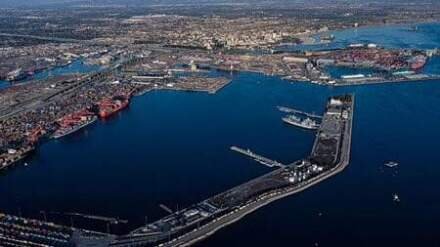
Global commerce relies heavily on maritime transport, which accounts for nearly 90 percent of all trade by volume. Within this vital network, container ports are indispensable, processing over 80 percent of non-bulk merchandise. These crucial maritime gateways are currently undergoing significant transformation, a shift primarily driven by the continuous rise in global trade flows.

The Backbone of Global Commerce
Modern economies depend profoundly on the efficient movement of goods across oceans. Maritime shipping offers the most cost-effective and capacity-rich method for transporting vast quantities of products. From consumer electronics to industrial components, these goods pass through container ports, making them critical nodes in the global supply chain infrastructure.
The sheer volume handled by these ports underscores their strategic importance. Any disruption or inefficiency within this system can ripple through international markets, affecting businesses and consumers worldwide. Consequently, optimizing port operations remains a constant priority for stakeholders.
Navigating a Period of Profound Change
The transformation sweeping through container ports stems from several interconnected factors. Foremost among these is the relentless growth in global trade, fueled by expanding economies and evolving consumer demands. E-commerce, in particular, has driven an increased need for faster, more reliable shipping solutions.
Beyond rising volumes, ports also contend with rapid technological advancements and increasing pressures for sustainability. These forces compel port operators to rethink traditional models and invest in future-proof infrastructure and systems.
Container ports, crucial trade hubs, are transforming due to trade growth, e-commerce, and automation. They also face sustainability and climate resilience pressures. Operational efficiency and global benchmarking are key for these maritime gateways to remain competitive and effectively support the global supply chain.
Technological Integration and Automation
Digitalization and automation are reshaping port landscapes. Advanced sensor technology, artificial intelligence, and sophisticated data analytics enhance operational efficiency, reduce turnaround times, and improve cargo tracking. Automated cranes, unmanned ground vehicles, and smart logistics platforms are becoming more common, allowing ports to handle greater throughput with fewer human interventions.
These technological shifts promise increased safety and precision. They also equip ports to manage the complexities of modern supply chains, where speed and visibility are paramount. Investing in smart port solutions helps facilities remain competitive.
Sustainability and Resilience Challenges
Environmental concerns increasingly influence port development and operations. Ports face pressure to reduce their carbon footprint, manage emissions, and adopt cleaner energy sources. Green initiatives, such as shore power for vessels and electric port equipment, are gaining traction globally.
Furthermore, climate change presents direct challenges, including rising sea levels and more frequent extreme weather events. Ports must build resilience into their infrastructure and operational plans to ensure continuous service despite environmental pressures and other potential disruptions.
The Imperative for Efficiency and Benchmarking
Given the dynamic environment, operational efficiency at container ports has never been more critical. Delays and bottlenecks directly impact supply chain costs and delivery schedules. Therefore, ports constantly seek ways to streamline processes and maximize capacity utilization.
Global benchmarks play a vital role in this pursuit. They provide a standardized framework for comparing port performance across various metrics, such as vessel turnaround times, cargo handling rates, and overall operational fluidity. Such rankings allow ports to identify best practices, pinpoint areas for improvement, and attract investment based on proven efficiency.
For shippers, carriers, and logistics providers, these benchmarks offer valuable insights into choosing the most reliable and effective trade routes. They foster healthy competition among ports, ultimately benefiting the entire global trade ecosystem through enhanced performance and reduced costs.




Leave a Comment