


On Tuesday, December 2, the U.S. Department of Justice, operating under the Trump Administration, initiated legal proceedings by making a filing in a U.S. District Court. This action specifically targeted an offshore wind farm project, continuing a discernible pattern of similar challenges from the administration. The department employed a consistent legal technique in its approach.
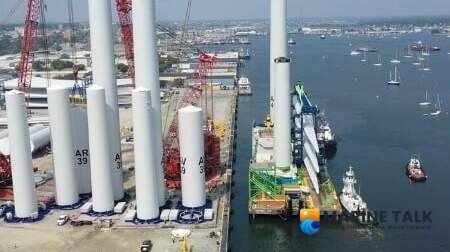
Federal Challenge to Wind Development
The Department of Justice’s filing in U.S. District Court formally commenced a legal dispute against the unnamed offshore wind farm project. Such an action typically introduces significant scrutiny and potential obstacles for development. Federal court filings represent a serious step, often seeking to halt, modify, or impose new conditions on a project’s permits or operations. This move signals direct federal intervention in the project’s progression.
The Trump Administration's Department of Justice filed a legal challenge against an offshore wind farm project, using a familiar legal technique. This action, a direct federal intervention in U.S. District Court, continued a broader pattern of the administration's opposition to wind energy developments, potentially causing significant delays and costs for the project.
Implications for Project Planning
A federal legal challenge can create considerable uncertainty for developers and investors alike. Project timelines may face delays, and costs could escalate due to litigation expenses. The specific nature of the Department of Justice’s claims, though not detailed in the initial information, would dictate the immediate next steps for the wind farm’s proponents. Legal proceedings at this level often involve extensive discovery and hearings, potentially drawing out the development process.
Broader Administrative Strategy
This particular legal action aligns with a broader pattern observed during the Trump Administration regarding offshore wind energy initiatives. The administration has consistently demonstrated skepticism or opposition towards certain renewable energy projects, particularly those involving wind power. This filing suggests a continuation of that strategic posture, reflecting a consistent policy direction.
Utilizing Established Legal Avenues
The Department of Justice’s approach utilized a “familiar legal technique.” This indicates the administration likely employed a previously tested method or argument in its challenge. The consistent application of such a technique suggests a deliberate and coordinated effort to address offshore wind developments through specific legal frameworks. This could involve environmental regulations, permitting processes, or other jurisdictional disputes, underscoring a strategic legal playbook.





2 Comments