


The European Union has significantly expanded its sanctions regime, adding 41 vessels identified as part of the “shadow fleet” to its restricted list. This latest round of measures, formalized on December 18, targets both tankers and bulkers operating outside conventional regulatory frameworks.

This action signals a clear and sustained commitment from the EU. Officials have indicated plans for subsequent monthly additions to the sanctions list, underscoring an ongoing strategy to combat illicit maritime activities.
Targeting Illicit Maritime Operations
These new sanctions represent a critical step in the EU’s efforts to curb operations by the shadow fleet. Such vessels often engage in activities designed to circumvent international sanctions, typically by obscuring ownership, origin, and destination of cargo. This practice poses significant challenges to global regulatory bodies.
The EU’s move aims to enhance maritime security and reinforce its broader commitment to enforcing existing sanctions. By directly targeting the vessels themselves, the Union seeks to disrupt the logistical networks supporting illicit trade and other unauthorized activities.
The Nature of the Shadow Fleet
The EU expanded its sanctions, adding 41 "shadow fleet" vessels to combat illicit maritime activities circumventing regulations. This aims to disrupt their logistics and enhance security by targeting operations obscuring cargo details. With planned monthly additions, it signals a sustained enforcement strategy against these unregulated vessels to maintain maritime integrity.
Vessel Types Included
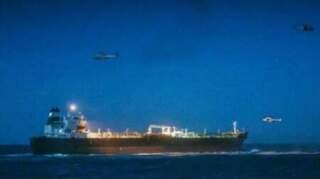
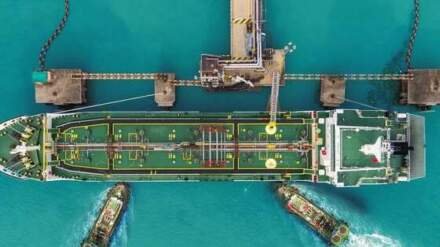
The sanctioned vessels comprise both tankers and bulkers. Tankers primarily transport liquid cargoes like crude oil or petroleum products, while bulkers carry unpackaged dry goods such as grain or coal. These types of vessels are crucial for global trade, making their use in illicit operations particularly impactful.
Operating without proper insurance, maintenance, or oversight, shadow fleet vessels often present severe environmental and safety risks. Their involvement in opaque transactions also undermines financial transparency and international regulatory standards.
A Sustained Enforcement Strategy
The EU’s declaration of impending monthly additions to the sanctions list highlights a deliberate, long-term approach. This sustained pressure aims to systematically degrade the operational capacity of the shadow fleet. Such consistent action can significantly impact the economic viability of entities relying on these vessels.
This ongoing strategy underscores the Union’s resolve to maintain the integrity of its sanctions regimes and secure maritime routes. It sends a clear message that bypassing international regulations will face continuous and escalating consequences.


1 Comment