


The global maritime shipping industry grapples with an immense, ongoing challenge: optimizing port operations. This complex environment demands constant real-time adjustments. Vessel schedules are highly dynamic, frequently shifting mid-voyage. Further complicating matters, ports themselves operate under significant constraints, including limited labor and equipment resources. In light of these persistent difficulties, quantum computing is emerging as a promising technology. It shows capability in tackling and potentially resolving even the most intractable port scheduling problems.
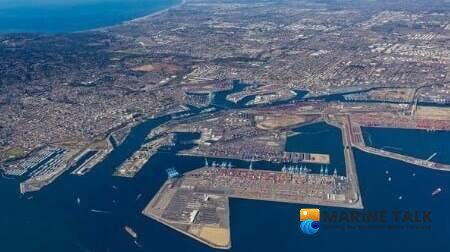
The Intricate Nature of Port Logistics
Maritime shipping inherently presents a continuous, real-time optimization challenge. Every day, thousands of vessels navigate global waters. Their movements create a ripple effect across the supply chain. Port efficiency directly impacts global trade flows and economic stability.
Port operations face optimization challenges from dynamic vessel schedules and limited resources, intractable for traditional computing. Quantum computing offers a promising solution, uniquely exploring vast scenarios simultaneously. This technology aims to enhance port efficiency, reducing waiting times, and improving trade by resolving scheduling problems.
Dynamic Vessel Schedules
Vessel schedules are notoriously unpredictable. Ships often change course or speed during voyages. Factors like weather, mechanical issues, or upstream port delays contribute to these shifts. Such fluidity requires ports to constantly re-evaluate docking assignments, cargo handling, and resource deployment. Each alteration creates a cascade of new planning requirements.
Resource Constraints at Ports
Ports operate with finite resources. Labor crews, specialized equipment like cranes, and available berth space are all limited. Effectively allocating these scarce assets becomes a critical task. Mismanaging these resources leads to bottlenecks, extended vessel waiting times, and increased operational costs. The intricate interplay of these variables makes traditional optimization incredibly difficult.
Quantum Computing’s Transformative Potential
Traditional computing methods often struggle with the sheer scale and complexity of port scheduling. The number of variables and potential solutions quickly becomes astronomical. This renders many port challenges “intractable” for conventional algorithms. Quantum computing offers a fundamentally different approach to processing such complex data sets.
Addressing Intractable Problems
Quantum systems leverage principles of quantum mechanics. They can explore a vast number of potential solutions simultaneously. This unique capability is particularly well-suited for combinatorial optimization problems, which characterize port scheduling. It allows for the rapid evaluation of scenarios too complex for classical computers.
Pathways to Enhanced Efficiency
Applying quantum solutions could significantly boost port efficiency. Reduced waiting times for vessels would lead to faster turnaround. Optimized cargo handling would accelerate goods movement through the supply chain. This technology aims to transform how ports manage their dynamic and resource-constrained environments, promising substantial operational improvements.

Leave a Comment