

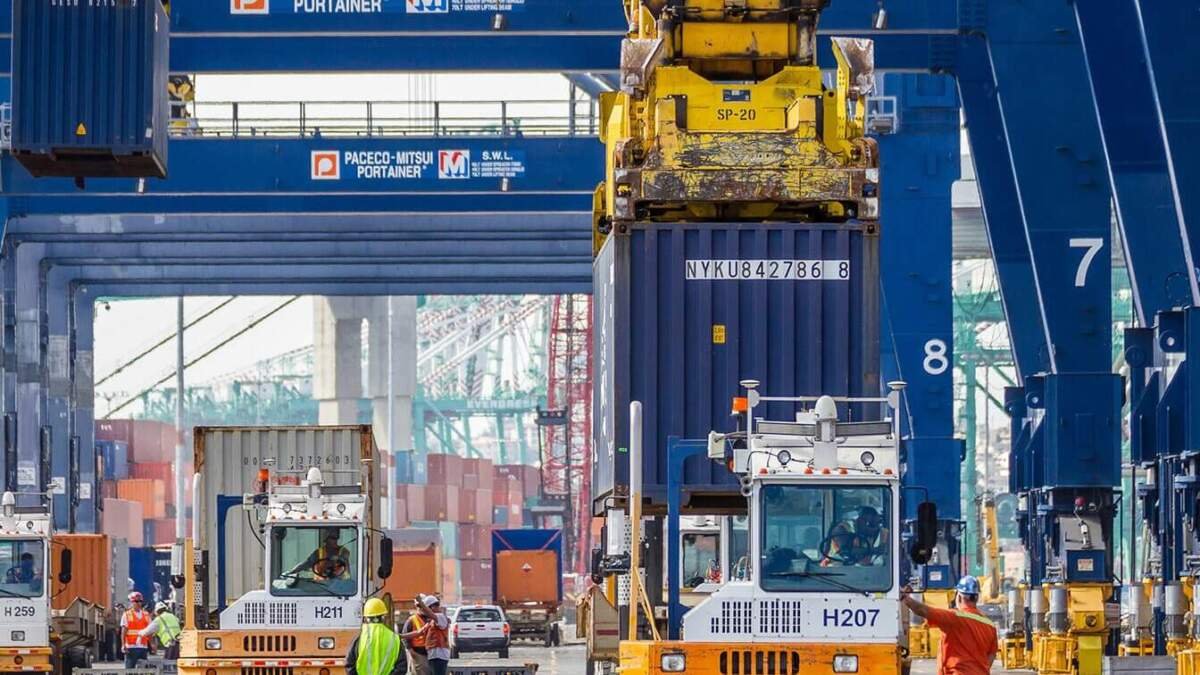

The National Retail Federation (NRF) has released its latest forecast for import cargo volumes, extending projections through the first quarter of 2026. The federation anticipates declining import volumes will persist, continuing into 2026.
Retail Sector Implications
This anticipated decline signals a significant shift for the retail sector. Retailers adjust inventory levels based on consumer demand and economic outlooks. A sustained decrease in imports suggests a cautious approach to stocking shelves and managing supply chains.
Such a forecast influences purchasing strategies across retail segments. Businesses might prioritize managing existing stock or re-evaluating sourcing strategies. This proactive stance aligns inventory with expected consumer spending patterns.
The NRF forecasts declining import cargo volumes through Q1 2026, signaling a cautious retail sector adjusting inventory due to conservative consumer spending and economic outlooks. This trend impacts supply chains, logistics, and serves as a key economic indicator, influencing business and policy decisions for the foreseeable future.
Economic Indicators and Consumer Behavior
Import volumes serve as a key economic indicator, reflecting consumer spending habits and overall economic health. A prolonged reduction often correlates with more conservative consumer behavior. Households tend to prioritize essential spending during economic uncertainty.
Economists will closely monitor these trends. They offer insights into potential shifts in inflation, employment, and manufacturing output. The NRF’s outlook contributes a crucial piece to the broader economic narrative, influencing policy and business decisions.
Supply Chain and Logistics Impact
Ports and shipping companies will likely experience direct effects from reduced cargo movement. Lower import volumes translate to less activity at major entry points, influencing operational efficiency and resource allocation within logistics.
This trend could also impact global shipping rates and available vessel capacity. A sustained period of lower demand might lead to adjustments in shipping schedules and fleet utilization across major trade routes.
Outlook Through Early 2026
The NRF’s decision to extend its forecast through early 2026 underscores expectation of a longer-term trend, not a temporary fluctuation. This projection provides retailers, manufacturers, and policymakers a clear outlook for future goods movement.
Stakeholders will observe subsequent NRF reports for any revisions or confirmations. Ongoing assessment of global trade dynamics remains crucial for strategic planning within retail and logistics, adapting to evolving market conditions.








Leave a Comment