


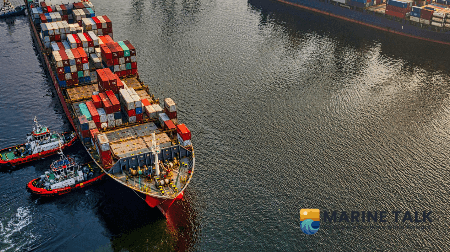
The maritime and offshore industries consistently confront a significant safety challenge: the inherent presence of explosive gas atmospheres. This critical concern profoundly influences both the initial design and the continuous operational phases of various vessels and installations. These include ocean-going ships, Floating Production Storage and Offloading (FPSO) units, and diverse offshore platforms worldwide.
The Persistent Threat of Volatile Atmospheres
Operations within these sectors frequently involve handling, processing, or transporting flammable substances. Consequently, environments where explosive gases can accumulate become a constant consideration for safety professionals. The very nature of these activities necessitates a proactive approach to risk management, ensuring the protection of personnel and assets.
Explosive gas atmospheres pose a critical safety challenge in maritime and offshore industries, influencing vessel design and operations. Proactive risk management and precise classification of hazardous areas are paramount. This ensures correct equipment selection and safety procedures, preventing catastrophic incidents in these high-risk environments.
Identifying Vulnerable Locations
Specific areas on ships and offshore installations are particularly susceptible to the formation of hazardous gas concentrations. Cargo pump rooms, for instance, represent a prime example of such a location. These enclosed spaces, integral to the transfer of volatile liquids, demand rigorous attention to prevent the ignition of potentially explosive mixtures.
Criticality in Design and Operation
Addressing the risk of explosive atmospheres is not merely an operational afterthought; it is fundamental to the entire lifecycle of a vessel or platform. Designers must integrate protective measures from the earliest conceptual stages. Operators, in turn, implement ongoing protocols to monitor and mitigate these dangers throughout the installation’s service life.
Ensuring Safety Through Classification
Understanding how to precisely classify these hazardous areas is therefore paramount. This systematic classification process allows for the correct selection of equipment, the implementation of appropriate safety procedures, and the establishment of safe working practices. Ultimately, it forms the bedrock of a comprehensive safety strategy, crucial for preventing catastrophic incidents in these high-risk environments.






Leave a Comment