


U.S. Defense Secretary Pete Hegseth announced on Monday that U.S. military forces boarded the Suezmax crude oil tanker Aquila II in the Indian Ocean. The operation followed a pursuit that originated in the Caribbean. Hegseth accused the vessel of violating Washington’s blockade, which targets sanctioned vessels involved in trade with Venezuela.
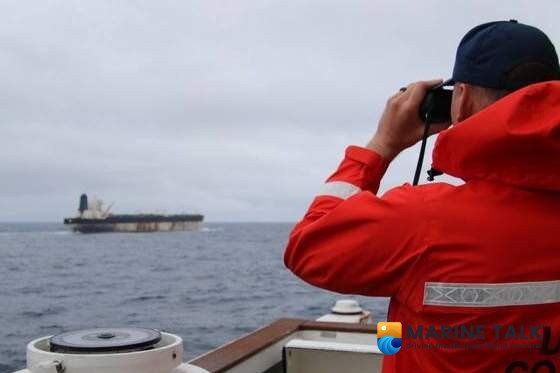
The Interception Operation
Military personnel intercepted the Aquila II far from its initial point of detection. This significant operation took place in the Indian Ocean, demonstrating the extensive reach of U.S. forces. The pursuit from the Caribbean covered thousands of miles before the boarding occurred.
U.S. military forces boarded the crude oil tanker Aquila II in the Indian Ocean, following a pursuit from the Caribbean. Defense Secretary Pete Hegseth accused the vessel of violating Washington's blockade targeting sanctioned trade with Venezuela. This operation demonstrates the extensive reach of U.S. forces in enforcing economic restrictions globally.
Allegations and Sanctions Enforcement
Secretary Hegseth directly implicated the Aquila II in breaching U.S. sanctions. Washington maintains a specific blockade targeting vessels that travel to or from Venezuela. This policy aims to restrict trade with the South American nation.
The U.S. government enforces these measures against entities it deems to be supporting Venezuela’s government. Boarding the Aquila II underscores a firm commitment to upholding these economic restrictions. This action serves as a clear signal to other vessels potentially contemplating similar routes.
Broader Implications
The long-distance pursuit and subsequent boarding highlight the U.S. military’s capacity for global enforcement. Such operations emphasize the risks associated with violating international sanctions. They also reflect ongoing geopolitical tensions surrounding Venezuela’s oil trade.




Leave a Comment