


Major shipping companies are now actively developing strategies to facilitate a return to the Suez Canal. This strategic shift follows more than two years of significant disruptions attributed to persistent security risks in the Red Sea. Since November 2023, vessels have been rerouted via longer, more expensive passages around Africa, fundamentally altering global maritime traffic patterns.
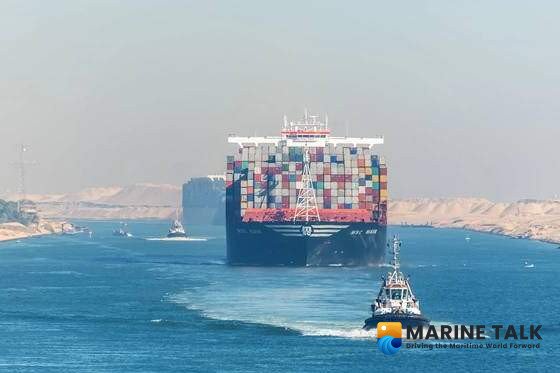
Red Sea Security Concerns Drive Rerouting
For over two years, security threats in the Red Sea have created an unstable environment for commercial shipping. These sustained risks made the traditional Suez Canal route, a vital artery for global trade, increasingly unviable. Consequently, maritime operators began implementing alternative plans.
Beginning in November 2023, shipping companies largely diverted their fleets. This widespread rerouting redirected vessels away from the Red Sea and through the longer, more circuitous routes around the African continent. The decision underscored the severity of the security challenges.
Major shipping companies are planning strategies to return to the Suez Canal, following over two years of disruptions due to Red Sea security risks. Since November 2023, vessels have been rerouted around Africa, incurring longer, more expensive journeys. This strategic shift aims to reduce transit times and operational costs, signaling cautious optimism for the vital trade artery.
Economic Impact of Alternative Routes
The necessity of bypassing the Suez Canal has introduced considerable economic pressures on the shipping industry. Traversing around Africa adds thousands of nautical miles to journeys. This extended travel directly translates into higher fuel consumption, increased operational costs, and longer transit times for cargo.
Supply chains globally absorbed these added expenses. Longer routes also impact delivery schedules, potentially causing delays and affecting the availability of goods. The financial strain prompted a continuous evaluation of future shipping strategies.
Strategic Reassessment for Re-entry
Companies are now meticulously devising plans for a potential resumption of Suez Canal transits. This process involves complex logistical, security, and financial assessments. Such planning signals a cautious optimism regarding the future stability of the Red Sea maritime corridor.
A return to the Suez Canal would significantly shorten transit times and reduce operational expenditures. This shift could alleviate some of the cost pressures experienced by shippers and consumers alike. The industry closely monitors developments as these strategies evolve.



Leave a Comment