


Russia‘s shadow fleet, operating in the Mediterranean Sea, is currently confronting escalating operational risks. This precarious situation has developed following their expulsion from the naval base in Tartus. The unexpectedly prolonged closure of the Bosporus to naval traffic has also significantly impacted their strategic and logistical environment.
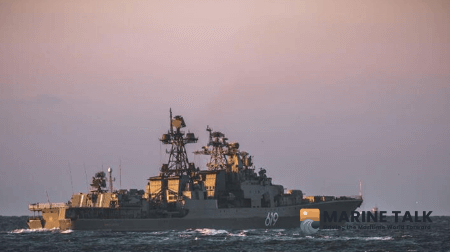
Strategic Setbacks in the Mediterranean
The operational landscape for Russia’s naval presence in the Mediterranean has become increasingly challenging. These growing risks stem from critical shifts in their access to vital support infrastructure and maritime routes. The fleet now navigates a more complex and demanding environment.
Russia's shadow fleet in the Mediterranean faces escalating operational risks. Its expulsion from the Tartus naval base and the prolonged closure of the Bosporus Strait severely limit logistical support, resupply, and strategic movement. This significantly hinders the fleet's ability to maintain readiness and project power in the region.
Loss of Tartus Base
The expulsion from the naval base in Tartus directly contributes to the fleet’s difficulties. This loss deprives Russian vessels of a crucial port for resupply, maintenance, and crew rotation. Consequently, the fleet must operate with diminished onshore support, complicating routine operations and extending deployment durations.
Bosporus Strait Restrictions
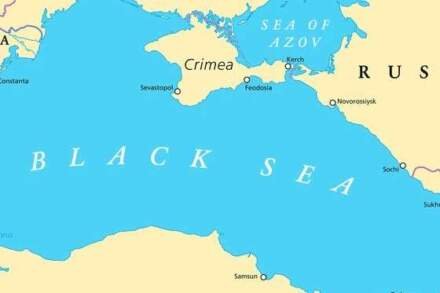
The unforeseen longevity of the Bosporus’s closure to naval traffic presents another significant hurdle. This ongoing restriction impacts Russian naval operations by limiting access between the Black Sea and the Mediterranean. Vessels face severe constraints on their movement, affecting strategic positioning and the ability to reinforce or withdraw units.
Compounding Operational Challenges
These two factors combine to create a challenging environment for Russia’s shadow fleet. Without reliable access to a forward operating base or unrestricted passage through key straits, the fleet faces increased logistical strain. Maintaining readiness and projecting power in the region becomes a more arduous task for Russian forces.
The combined effect of these developments reshapes the operational dynamics for Russian naval assets in the Mediterranean. Russia now navigates a significantly altered strategic and logistical environment, demanding new approaches to sustain its presence. These challenges underscore the evolving complexities of maritime power projection in the region.




1 Comment