


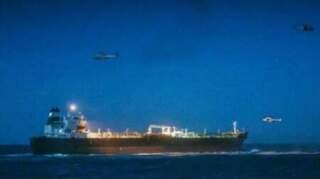
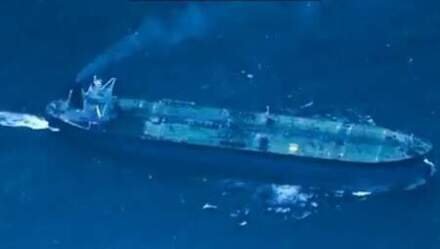
The United States has seized the Olina tanker in the Caribbean, marking the fifth such vessel targeted in recent weeks. U.S. officials confirmed this action on Friday, stating it is part of Washington’s escalating efforts to curb Venezuelan oil exports. This move underscores a persistent strategy to disrupt crucial revenue streams for the South American nation.

Escalating US Pressure
This latest seizure highlights an intensified campaign by the U.S. government. Washington actively works to prevent revenue streams for the Venezuelan government, particularly from its vital oil sector. These recent intercepts underscore a firm stance against entities facilitating oil trade with Venezuela, signaling a broader commitment to its sanctions regime.
The U.S. seized the Olina tanker in the Caribbean, the fifth such vessel recently, to curb Venezuelan oil exports. This action is part of escalating U.S. efforts to disrupt Venezuela's revenue streams and enforce sanctions, with the Olina showing false flag irregularities to circumvent regulations.
Targeting Oil Exports
The consistent targeting of vessels in recent weeks demonstrates a clear strategy. The U.S. aims to disrupt the logistical networks supporting Venezuela’s crude shipments. This pressure seeks to impact the country’s primary economic lifeline and enforce existing sanctions. Authorities continue to monitor maritime routes closely for illicit activities.
The Olina Incident
The Olina, now under U.S. control, drew attention for specific irregularities. Reports from the public shipping database Equasis indicated the vessel flew the flag of Timor Leste under false pretenses. This deception often signals attempts to circumvent international regulations and conceal true operational details.
Flagging Irregularities
Vessels frequently employ false flags to obscure their true origin or destination. This practice allows them to bypass international sanctions and avoid scrutiny. Such deceptive practices complicate monitoring efforts for maritime authorities. However, they ultimately attract scrutiny from organizations like the U.S. Customs and Border Protection, leading to enforcement actions.
Broader Sanctions Context
The seizure of the Olina underscores the ongoing complexities in the Caribbean shipping lanes. It also signals Washington’s unwavering commitment to its sanctions policy against Venezuela. These actions remain a key component of U.S. foreign policy aimed at fostering democratic change in the nation. U.S. authorities continue to monitor maritime traffic for vessels suspected of violating these economic restrictions. Each seizure reinforces the message that such illicit trade carries significant risks for all involved parties.



Leave a Comment