


Wind-Assisted Propulsion Systems (WAPS) are emerging as a pivotal technology in the global effort to decarbonize the shipping industry. As the maritime sector navigates an evolving landscape of environmental regulations and sustainability goals, WAPS offer a promising pathway to significantly reduce vessel emissions.
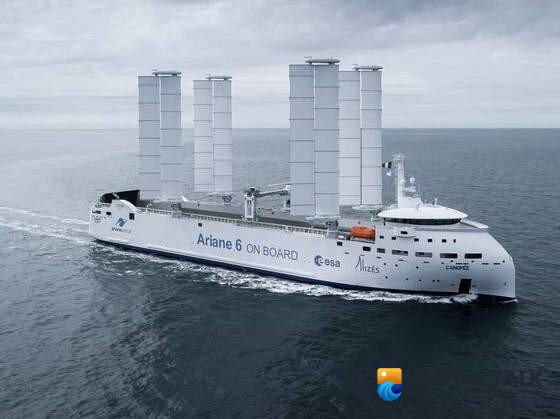
Despite their substantial potential, wind-assisted propulsion technologies often face misunderstanding, even as their relevance becomes increasingly timely. The shipping industry now finds itself at a decisive moment, facing urgent choices regarding the adoption and integration of such innovative solutions.
The Decarbonization Mandate for Shipping
The global push for environmental sustainability places immense pressure on all industries, including maritime transport. Shipping, a critical component of international trade, must align with ambitious decarbonization targets. This imperative drives the search for viable and scalable solutions to reduce the sector’s carbon footprint.
Stakeholders across the industry, from regulators to shipowners and cargo shippers, recognize the need for transformative change. They seek practical technologies that can integrate into existing fleets or power new builds, ensuring operational efficiency alongside environmental benefits.
Understanding Wind-Assisted Propulsion Systems
Wind-assisted propulsion leverages the power of wind to supplement a vessel’s main engine, thereby reducing fuel consumption and emissions. This concept, while ancient in its origin, has seen significant modernization through advanced aerodynamics, materials science, and control systems. Contemporary WAPS include rotor sails, wingsails, and kites, each designed to harness wind energy effectively.
Wind-Assisted Propulsion Systems (WAPS) are pivotal for decarbonizing shipping, leveraging wind power to reduce emissions and fuel consumption. The maritime industry faces a decisive moment, needing to adopt these modern technologies to meet environmental regulations and ensure future viability.
A Promising Pathway to Lower Emissions
Implementing WAPS directly translates into tangible environmental benefits. By decreasing reliance on fossil fuels, vessels equipped with these systems emit less carbon dioxide, nitrogen oxides, and sulfur oxides. This reduction not only helps meet regulatory compliance but also improves air quality and contributes to broader climate goals, positioning shipping as a more sustainable mode of transport.
The Industry’s Decisive Moment
The shipping sector stands at a critical juncture regarding WAPS adoption. While the technology’s benefits are clear, overcoming initial investment costs and integrating new systems into complex logistical operations requires strategic planning and collaboration. Industry leaders must now make informed decisions to accelerate the transition towards a greener fleet, leveraging wind power as a key enabler.
Embracing WAPS represents more than just an environmental choice; it signifies a forward-looking approach to operational resilience and economic viability in a carbon-constrained future. The momentum for these systems continues to build as the industry progresses towards its decarbonization objectives.




1 Comment